World Tourism Day, celebrated this year on 27th September, is a reminder of how tourism not only shapes destinations but also drives global connections. For event professionals, it’s an opportunity to reflect on how places like Manchester have built their reputation as international hubs for business tourism, meetings, incentives, conferences, and exhibitions (MICE).

This year’s World Tourism Day theme is sustainability – and we’re proud to share that in the latest GDS Index, Manchester is now ranked in the top 40 destinations worldwide, coming in at number 35. This makes Manchester the top English destination on the index.

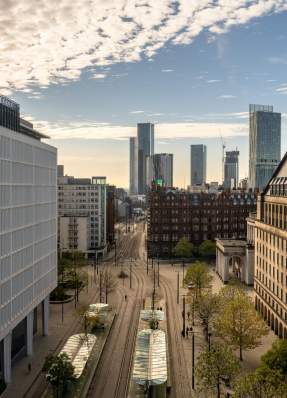
Manchester’s story is one of reinvention. What began nearly 2,000 years ago as a Roman settlement became the world’s first industrial city and today stands as a leading European destination for conferences and events. With its legacy of innovation, infrastructure, and sustainability, Manchester continues to attract delegates, event planners, and global audiences.

From Roman Origins to Medieval Market Town

Manchester’s roots stretch back to when Roman soldiers established the fortress of Mamucium in AD 79. Its strategic location by the River Medlock made it a site of military importance and early trade. Through the Middle Ages, Manchester developed into a thriving market town, known for wool and linen production that would lay the foundations for its textile dominance centuries later.

From Industrial Innovation to Global Connectivity

By the 18th and 19th centuries, Manchester became the beating heart of the Industrial Revolution. Nicknamed 'Cottonopolis,' it led the world in textile manufacturing, powered by canals, pioneering mills, and new technologies. International visitors came not just to see its scale but to learn from its innovations - early forms of industrial tourism. 

In 1830, the Liverpool and Manchester Railway opened as the world’s first intercity passenger railway, symbolising both connectivity and progress. This era gave Manchester global influence, and the spirit of exchange it fostered is echoed in today’s business tourism sector.

Manchester Airport

This spirit of connectivity only grew. The opening of Ringway Airport in 1938 put Manchester on the global stage. By the 1950s, direct transatlantic routes brought international delegates and business leaders to the city, strengthening its role as a hub for trade fairs, exhibitions, and corporate events. Today, Manchester Airport is the UK’s third busiest, connecting the city to over 200 destinations worldwide - making international meetings and events more accessible than ever.

A City of Culture, Sport, and Major Events

Manchester’s global profile has always extended beyond industry. It is a city where sport and culture intertwine to shape identity and attract visitors:

  • Football - Home to Manchester United and Manchester City, the city gave birth to the Football League in 1888 and regularly hosts international tournaments.
  • Music - From The Halle Orchestra (1858), the UK’s oldest symphony orchestra, to modern icons like Joy Division, Oasis, and The 1975, Manchester has long influenced global music culture.
  • Events - The 2002 Commonwealth Games left a legacy of venues and regeneration that continue to support business and leisure events today.

Key venues today reflect this blend of history and reinvention:

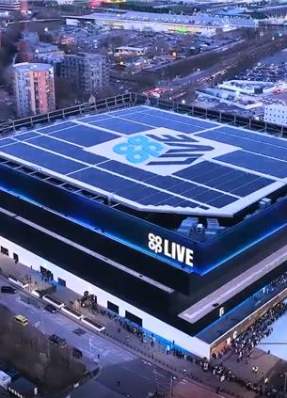
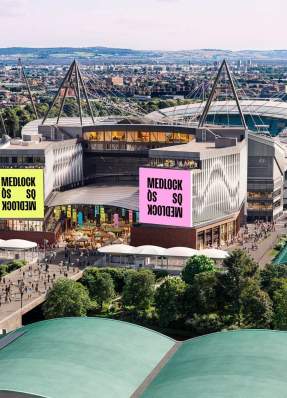
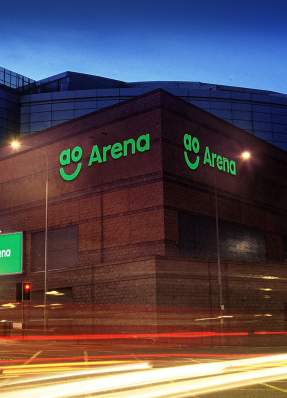
  • AO Arena & Co-op Live - Two of Europe’s largest indoor arenas, hosting global stars and touring productions.
  • Manchester Central - A 19th-century railway station reborn as one of the UK’s leading conference and exhibition centres.
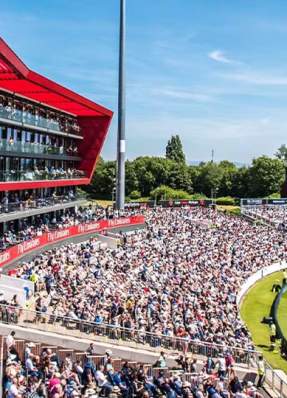
  • Etihad Stadium & Old Trafford - Sporting landmarks that double as venues for conferences, hospitality, and international summits.

Towards a Sustainable Future

Manchester’s future is being shaped with the same spirit of innovation that defined its past. The Bee Network integrates public transport into one low-carbon system. Event venues such as Manchester Central are reducing waste and embracing renewable energy. Hotels are achieving Green Tourism Awards and rolling out eco-friendly policies. And with a city-wide pledge to become net zero carbon by 2038, sustainability is embedded into every stage of the visitor and delegate experience.

Why Manchester Stands Out for Events

Few cities can match Manchester’s blend of history, innovation, and accessibility:

  • Nearly 2,000 years of heritage, leaving behind infrastructure and inspiration
  • A legacy of industry, culture, and sport that continues to attract global audiences
  • Connectivity through an international airport linking to over 200 destinations
  • World-class venues across heritage buildings, purpose-built centres, and modern arenas
  • A sustainability-first approach that aligns with the future of tourism and events

From Roman fort to industrial powerhouse toa  hub of music and ideas, Manchester has continually reinvented itself. For today’s event professionals, that means a city rich in stories, equipped with cutting-edge infrastructure, and committed to a sustainable future.

Whether planning a conference, incentive trip, or international exhibition, Manchester offers a destination where history and innovation meet to create lasting impact.

For free, impartial and expert knowledge, get in contact with our friendly team of professionals today.

Discover More...