The opening ceremony might last an hour. The bid to secure the event can take a decade.
When a major international conference, sporting event, or cultural festival arrives in Manchester, the real victory was often secured years earlier. High-profile arrivals do not happen by chance, nor are they the result of a last-minute booking. Long before the first visitor checks into a hotel or sets foot in a venue, a complex international competition has already been fought and won. Behind every successful event lies a strategic campaign that can span three, five, or even ten years, pitting Manchester against the world's elite destinations.
This is the world our team at Marketing Manchester works in every day. To secure these events, the Manchester Convention Bureau’s
bid specialists approach the process as a multi-year chess match played on the global stage. Every move matters. Dates held at a venue years in advance, an early conversation with a local expert, a site visit at exactly the right moment, or a letter of support from the right civic leader can all shape the final decision. Success belongs to the destination that can think several moves ahead.
Manchester's journey to secure the
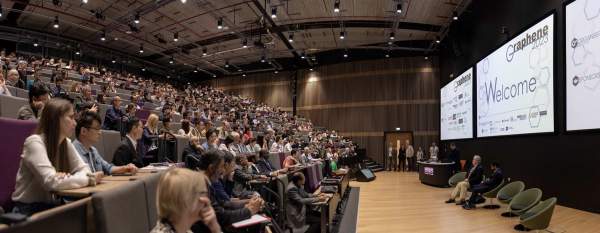
IEEE International Magnetics Conference (INTERMAG) 2026 demonstrates exactly how long that game can last. Led by Professor Tom Thomson, Professor of Computer Engineering at The University of Manchester, this prestigious scientific congress attracted more than 1,200 leading researchers and experts in magnetic science to
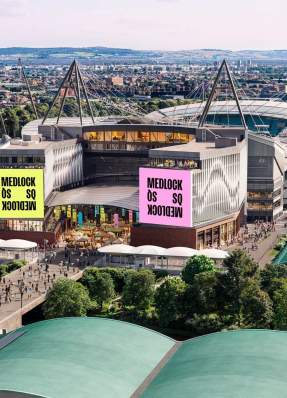
Manchester Central in April 2026. Crucially, this event was secured on our third attempt in a fierce competitive process that spanned over ten years, having lost out in previous bidding rounds to Dublin and Lyon.
Inside a Destination Bid
Before exploring how these campaigns are won, it is worth understanding what
destination bid production actually involves. The vast majority of these high-value events do not simply book a destination. Instead, they issue a highly detailed Request for Proposal (RFP) which strictly sets out the client's core operational objectives, technical requirements, and spatial capacity. In response, our Manchester Convention Bureau team must map these requirements against every aspect of the destination, from venue capacity and hotel inventory to transport connectivity, academic expertise and stakeholder support. The operational detail has to stand up to scrutiny, but that alone is not enough. Every bespoke bid produced must also answer the question that really matters: why Greater Manchester?
I often describe it as bidding for the Olympic Games, but on a sector-specific scale. When we work to host a national or international conference, a major sporting tournament, or a high-profile cultural event, we always keep in mind that we are competing for the absolute "Olympics" of that specific field. Whether the discipline is magnetism, music, or media, or business, biotech or banking, a major event is the single most important week of the year for that sector. It is the definitive arena where the best in the business convene to collaborate, challenge, and innovate. Our goal is to prove that choosing Manchester as the host destination transforms that critical week into a successful, memorable event that unites their global community in a truly impactful way. To win that right, the city’s formal proposal must be flawless.
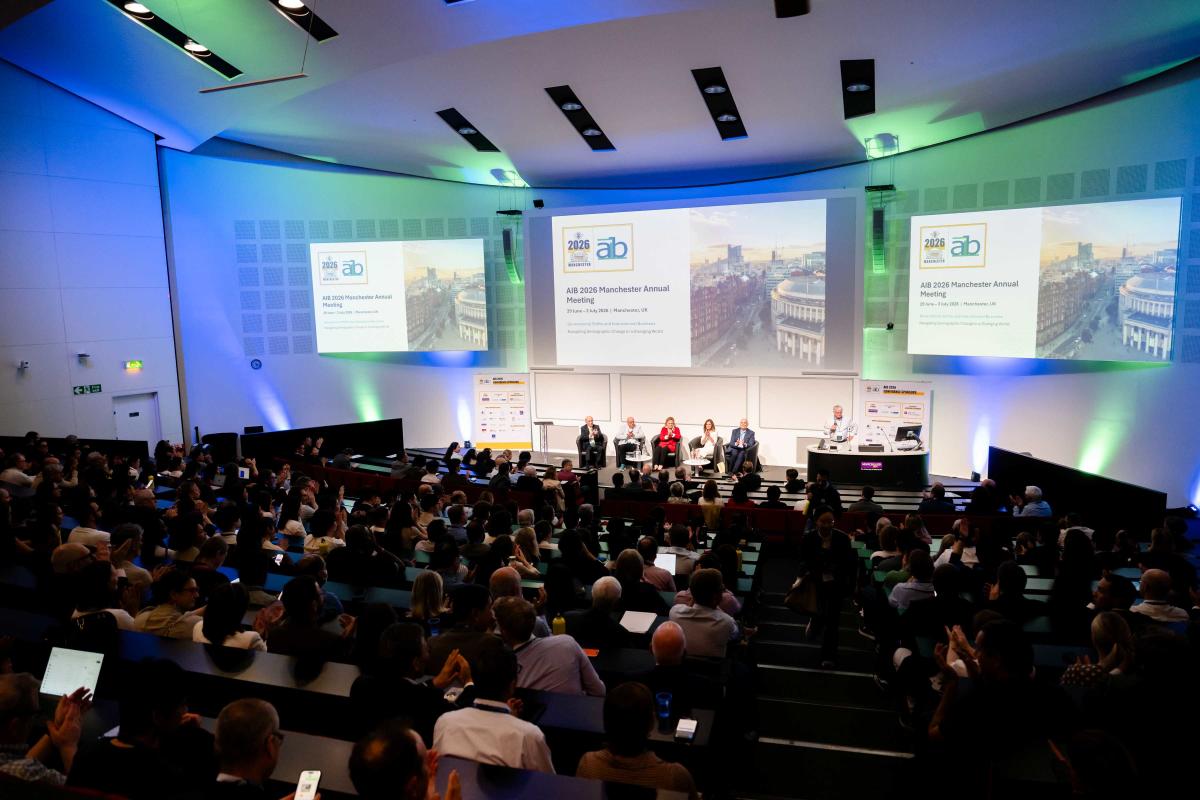 The Academy of International Business (AIB) Annual Meeting 2026 at The University of Manchester.
Winning on the World Stage: The Anatomy of a Destination Bid
At its heart, a city bid is a multi-million-pound commercial tender. When international association boards, sporting governing bodies, or cultural decision-makers select a host city, they are making a significant capital investment. They are choosing a business partner capable of de-risking their event and ensuring maximum delegate attendance.
To stand out in a landscape defined by fierce competition from leading international rival cities such as London, Barcelona, Frankfurt, Vienna, Prague, and Copenhagen, we must present a robust financial and operational case from day one. This means piecing together intricate proposals years in advance. We must work with our industry partners to source venue availability, calculate comprehensive cost projections, and be clear on our accommodation offer long before the first delegate or spectator buys a ticket.
One of the tools that gives Manchester a real competitive advantage is the
Manchester Accommodation BID. Funded through the city’s accommodation sector, it allows us to offer targeted
financial support for strategically important events. In practical terms, that means we can help reduce financial risk for organisers at the very moment they are comparing Manchester with other potential host destinations. In an increasingly competitive marketplace, this ability to provide financial support can often be the difference between winning and losing. Through the Manchester ABID, we deploy targeted subvention funding to attract high-value events that deliver significant economic impact while helping to counteract seasonality across the visitor economy. By driving business travel and overnight stays during traditionally quieter periods, the scheme creates direct value for the hotel and serviced apartment businesses that fund the levy, while strengthening Manchester's ability to compete for internationally mobile events.
While financial support alone will never win a bid, it can provide the confidence organisers need to commit. Combined with strong sector expertise, world-class facilities, and a united city-wide proposition, it becomes an important piece on the board in Manchester's long-term bidding strategy.
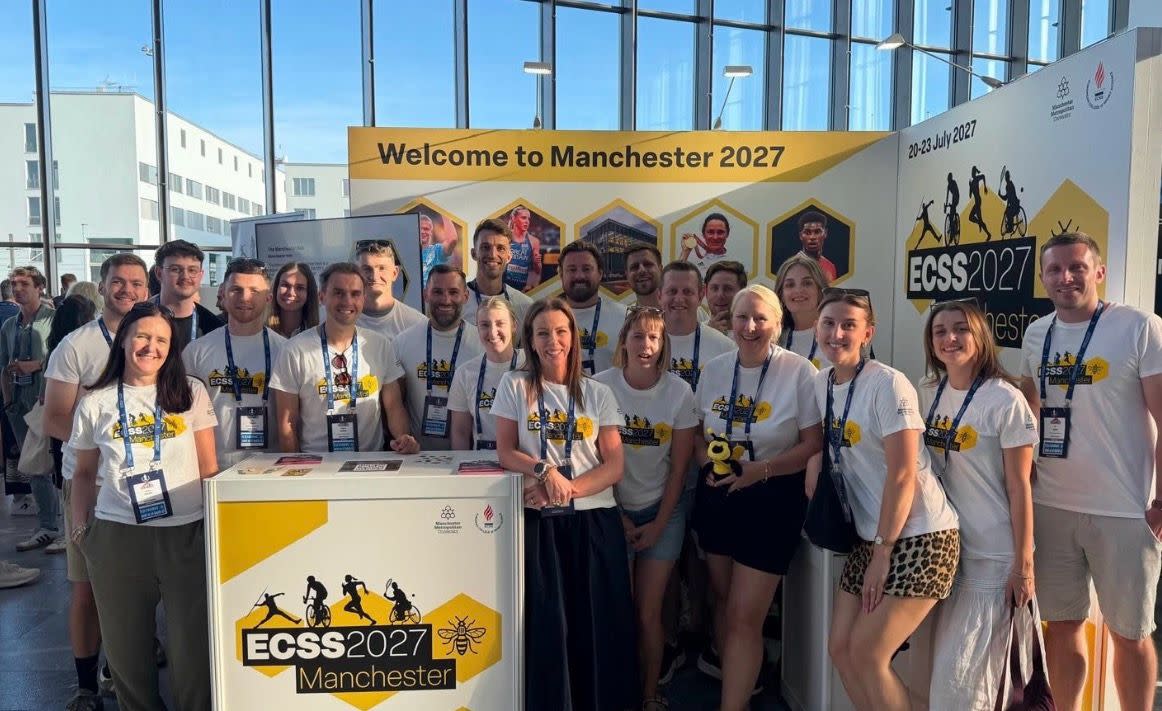
Manchester Met's Institute of Sport launches the 2027 Manchester edition of the ECSS Congress in Lausanne, Switzerland in July 2026.
Total Teamwork: The Power of the City Ecosystem
Winning on the world stage requires total alignment. The strongest wins, and therefore the most impactful events, are rarely the work of a single organisation. In my experience, the strongest bids are the ones where everyone understands not just what we are trying to win, but why it matters.
We weave together an extensive ecosystem of partners to demonstrate that the entire city region is aligned behind an opportunity. Our world-class universities, pioneering research centres, sporting authorities, cultural institutions, local government, and hospitality sector each play a vital role in strengthening Manchester's proposition. Together, they provide the credibility, capability, and support needed to give organisers confidence that their event will thrive here.
Central to this approach is the
Manchester Conference Mbassador Programme. We identify and empower leading academics, industry experts, and sporting figures to champion Manchester on the international stage. This network of almost 500 local advocates gives Manchester something no marketing campaign can replicate: genuine credibility. Their expertise, reputation, and professional networks often carry more weight with decision-makers than any bid document ever could. Their role is to champion Manchester within their professional communities. Our role is to support them behind the scenes, helping to build a competitive bid and tell Manchester's story on the international stage.
The result is far more than a bid document. It is a coordinated city-wide effort that demonstrates Manchester's ability to unite partners around a shared ambition and deliver exceptional events. In an increasingly competitive global marketplace, that collective approach remains one of our most powerful advantages.
A recent win perfectly illustrates this approach. Greater Manchester has recently secured the right to host
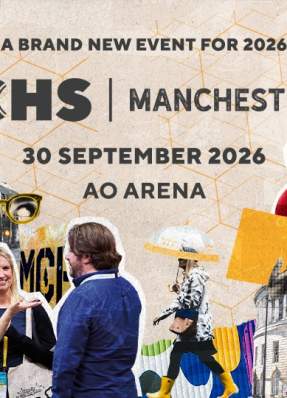
The TV Festival from 2027-2031, ending the event's almost fifty-year residency in Edinburgh. The win was not the result of a single presentation or meeting, but the culmination of a coordinated city-wide campaign built around a local bidding consortium comprising more than forty organisations from across the public and private sectors. Local government, universities, creative industry bodies, independent production companies, major broadcasters and media organisations, accommodation providers, and destination partners all aligned behind a shared vision for the festival's future. It was a victory achieved through long-term collaboration, collective ambition, and a shared belief that Manchester could offer the festival a compelling platform for its next chapter. Expected to generate around £44 million for the Greater Manchester economy, the win shows exactly why this work matters: a bid developed over years can create value that lasts far beyond the event itself.
This collaborative model is equally vital when bidding for major global sporting spectacles, international congresses, and high-profile cultural events. Whether the opportunity involves attracting the world's leading scientists, elite athletes, or global creative talent, Manchester's greatest competitive advantage remains the same: our ability to unite an entire city behind a common goal.
Playing to Our Strengths
In a global market where cities compete fiercely for prestigious events, Manchester does not win by trying to be everything to everyone. Our strategy is highly targeted: we play directly to our unique strengths by aligning our bids with the region’s key economic, cultural, and scientific sectors. Modern association boards, sporting federations, and cultural directors are looking for more than just a convention centre and hotel rooms; they want to bring their event to a place where their specific discipline is actively thriving.
By linking our bids to Manchester’s world-leading expertise in areas such as life sciences and health innovation, creative and media, advanced materials, digital, cyber and AI, and sporting excellence, we create a compelling narrative. We show clients what their event would actually look like in Manchester, demonstrating how our ecosystem of infrastructure, intellectual capital, and cultural vibrancy will drive attendance and engagement.
This story is reinforced by our colleagues at
Invest Manchester, whose work attracting investment, businesses and talent into these same priority sectors helps strengthen the very ecosystem that event organisers are looking to access. Together, we present a joined-up proposition that demonstrates why Greater Manchester is not only a great place to host an event, but a great place to do business, collaborate and innovate.
In the world of international bidding, there is rarely a single winning move. The work is patient, detailed, and often invisible, but the results can reshape a city’s visitor economy for years. The destinations that win are those that understand their strengths, think several moves ahead, and bring the right people with them.
That 's how Manchester continues to compete, and win, on the global stage.


 10 min read